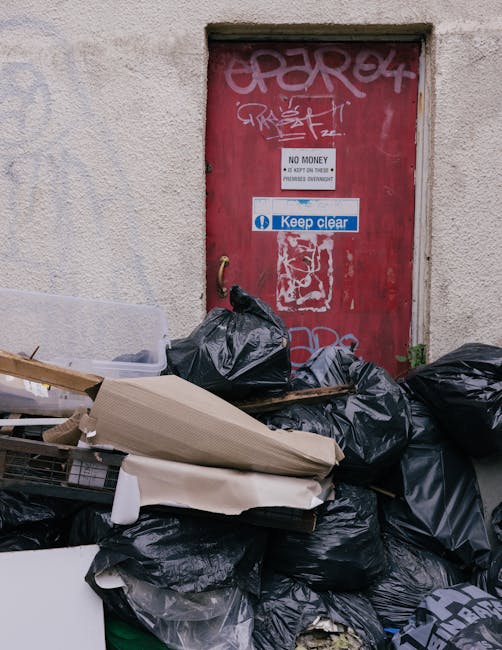
Brent Council bulky waste rules Queensbury movers must know
If you are moving in or around Queensbury, bulky waste can quickly become the awkward part of the job. That old wardrobe in the spare room, the mattress no one wants, the broken freezer in the garage, the sofa that looked smaller in the shop... all of it has to go somewhere. And if you are dealing with Brent Council, the rules for bulky waste collection are not something you want to guess your way through. The details matter, especially if you want to avoid missed collections, extra costs, or a pile of items sitting on the pavement for longer than planned.
This guide breaks down Brent Council bulky waste rules Queensbury movers must know in plain English, with a practical focus for movers, tenants, landlords, and anyone trying to clear a property without drama. You will find the likely process, common mistakes, smart alternatives, and a few field-tested tips that make the whole thing less stressful. Truth be told, moving day is busy enough without discovering the council will not take half your items because they are not prepared properly.
Table of Contents
- Why Brent Council bulky waste rules matter
- How Brent Council bulky waste collection works
- Key benefits and practical advantages
- Who this is for and when it makes sense
- Step-by-step guidance
- Expert tips for better results
- Common mistakes to avoid
- Tools, resources and recommendations
- Law, compliance, standards and best practice
- Options and comparison table
- Case study or real-world example
- Practical checklist
- Conclusion
- Frequently asked questions
Why Brent Council bulky waste rules matter
Bulky waste rules are not just admin. They shape what can be left out, how it needs to be presented, and whether the council will collect it at all. For movers, that affects timing, property condition, and even the success of the handover. If you are vacating a flat in Queensbury or preparing a house for sale, the last thing you want is a rejected item outside the front door because it was not booked correctly.
There is also the broader practical side. Leaving bulky items in the wrong place can create access issues, block stairwells, upset neighbours, or trigger complaints. If you are working around shared hallways or tight staircases, read our guide on guarding stairs from damage while moving. It is the sort of detail people only care about after a scuff mark appears, and by then it is a bit late.
For renters, bulky waste mistakes can affect deposit returns. For owners, they can delay completion cleaning or a final inspection. For movers, they can eat into time that should be spent on packing, loading, or transport. So yes, the rules matter. A lot more than they first appear to.
How Brent Council bulky waste collection works
While council processes can change, bulky waste collection in Brent is generally designed for large household items that are too big for normal bins. That usually means things like sofas, mattresses, wardrobes, tables, white goods, and similar furniture-sized waste. The key word there is household. If an item is commercial, hazardous, or heavily contaminated, it may be refused or need a different disposal route.
In practical terms, residents usually need to book collection in advance, follow the council's item rules, and present the waste in the agreed way. That often means placing items where crews can access them safely without entering the property. In some streets, that is straightforward. In others, especially around shared entrances or narrow front paths, it can be trickier than it sounds.
Heavy appliances and awkward pieces need special attention. A freezer left unused before a move, for example, should be prepared correctly before disposal or storage. For more on that, see guidelines to store your freezer securely when unused and keeping your freezer in top shape while unused. Those guides are handy if you are deciding whether an appliance is ready to be collected, stored, or moved on another day.
One thing people often miss: council collection is not the same as a full clearance service. It can be ideal for a few items, but it is not always the best fit if you are clearing an entire property. If you have multiple rooms of furniture, bags, and mixed waste, a broader solution may be easier. More on that below.
Key benefits and practical advantages
Using the council route properly can be a sensible, tidy, and relatively straightforward option for the right situation. It is not always the cheapest on paper, and not always the fastest, but it offers a clear local process. That structure helps if you are dealing with only a small number of bulky items and you have time to plan around collection dates.
Here are the practical benefits most movers care about:
- Predictability: You know what the council will and will not take.
- Less uncertainty: Fewer surprises than leaving disposal until the final day.
- Cleaner handovers: Better chance of leaving a property in decent condition.
- Reduced lifting risk: Fewer improvised trips up and down stairs.
- Local compliance: Lower chance of complaints or fly-tipping concerns.
There is also a hidden advantage: good planning reduces stress. If you sort bulky waste alongside packing, cleaning, and transport, the move feels more controlled. That is especially useful if you are juggling a tight schedule, children, pets, or a same-day handover. A little structure goes a long way. Honestly, a lot of moving chaos comes from leaving the awkward bits to the very end.
If you are organising a bigger move, it can also help to compare the council option with a professional service. A properly planned removal service in Queensbury or a flexible man with a van in Queensbury can sometimes be the more practical route when bulky items, access issues, and timing all collide.
Who this is for and when it makes sense
This topic matters for more people than you might first expect. Sure, it is obvious if you are moving out of a house full of old furniture. But it is just as relevant if you are downsizing, clearing a flat, managing a student move, or helping a relative empty a property after a tenancy ends.
You are likely in the right place if you are:
- a tenant preparing for end-of-tenancy checks
- a homeowner clearing unwanted furniture before sale
- a landlord arranging a property reset between occupancies
- a student moving out with bulky bits that will not fit in a normal car
- a family member helping with a partial house clearance
The council route makes sense when the item count is low, the deadline is not urgent, and the items fit the collection rules. If the move is more complex, you may need a broader plan. For example, if you are unpacking a sofa, bed frame, and fridge all in one go, it can be better to combine disposal with a more organised move. Our article on decluttering before you relocate is useful here, because decluttering early often reveals what actually needs removing. Not what you thought needed removing. There is a difference.
And if the job involves unusually heavy lifting, awkward corners, or an upstairs property, the physical side matters too. Read expert techniques for lifting heavy loads alone and understanding the concept of kinetic lifting before you decide to drag a wardrobe through a narrow landing at full tilt. That usually ends badly.
Step-by-step guidance
If you want a practical way to handle bulky waste without creating extra problems, use this sequence. It is simple, but it works.
- List every item
Walk through the property and write down everything that might need collection, storage, donation, or disposal. Be ruthless, but fair. That old chair in the spare room counts. - Check whether the item is actually bulky waste
Some items are suitable for council collection; others may need a different route. Hazardous materials, loose rubble, and certain construction waste should not be assumed to qualify. - Measure and photograph large items
This helps you plan access, estimate transport needs, and avoid last-minute surprises. A quick photo can save a lot of back-and-forth. - Separate reusable from disposable items
If something can be donated, sold, or stored, do that first. Our guide to packing your home efficiently can help you sort items into keep, move, store, and remove piles. - Book the council collection early
Do not leave this until the week of the move unless you enjoy stress for breakfast. - Prepare the items properly
Break down furniture where possible, empty drawers, remove loose parts, tape down cables, and make sure white goods are defrosted and cleaned if needed. - Place items where crews can access them
Usually this means outside, at ground level, and in a safe spot. Avoid blocking paths, doors, or communal routes. - Keep your moving plan flexible
If the council slot changes, or the item is rejected, you need a fallback. That is where local removals support can be a lifesaver.
Small note from experience: the easiest jobs are the ones where bulky waste is treated like part of the move, not an afterthought. That one shift in mindset saves a surprising amount of hassle.
Expert tips for better results
Here is where the real-world stuff comes in. The rulebook matters, yes, but so does how you prepare the property and the items themselves.
1. Start with the awkward rooms
Lofts, basements, box rooms, and sheds tend to hold the strangest collection of old furniture and forgotten equipment. Clear those first. Why? Because they often reveal the hidden bulky waste that turns a "simple" move into a much bigger one.
2. Strip items down before collection day
Flat-pack furniture, bed frames, and shelving units are easier to handle when dismantled. You reduce lifting strain and make access easier for collectors or movers. If you need a reference point, our article on relocating a bed and mattress is a good reminder that large items nearly always behave better once they are broken into smaller parts.
3. Protect the route out of the property
Bulky items scrape walls, doors, banisters, and floors without much effort. Lay down protection where needed, especially if you are moving through a hallway or staircase. The smell of fresh paint and the look of a chipped corner rarely go together well. If you have a lot of movement through the house, this stair protection guide is worth a read before anyone lifts a thing.
4. Keep white goods dry, clean, and safe
If you are dealing with a freezer or fridge, make sure it is prepared properly. Residual water, food waste, or loose shelves can create smells and mess. If it is being stored rather than removed, use the freezer storage advice linked above. If it is going straight out, do not assume it can be left half-filled and forgotten. It cannot.
5. Match the method to the item
Not every bulky item needs the same solution. A single sofa might be fine with council collection or van transport. A grand piano, obviously, is a different story. For items like that, specialist handling is the sensible option, and our piece on why expert piano movers are essential explains the logic well.
Common mistakes to avoid
A lot of bulky waste problems are self-inflicted. Usually not on purpose, just from rushing. Here are the ones we see most often.
- Assuming the council takes everything: It does not. Some items need specialist disposal.
- Leaving booking until the last minute: This creates stress and can push your move past the deadline.
- Mixing loose rubbish with bulky items: Council collection is often stricter than people expect.
- Blocking access points: If crews cannot reach the items safely, you may have a problem.
- Ignoring weight and lifting risks: Heavy furniture is not a solo sport.
- Forgetting cleaning responsibilities: A tidy property helps when you are leaving a rental. Our moving-out cleaning hacks article is helpful for the final sweep.
There is another subtle mistake: treating disposal as separate from the rest of the move. In reality, it is part of the same chain. If one link breaks, the whole day slows down. A forgotten mattress or a rejected cabinet can create an annoying domino effect, and nobody wants that at 4:30 in the afternoon with a van waiting outside.
Tools, resources and recommendations
You do not need specialist kit for every moving task, but a few sensible tools make bulky waste handling much safer and cleaner.
- Work gloves: for grip, splinters, and rough edges
- Furniture blankets: useful if items are being moved before disposal
- Ratchet straps or strong ties: helpful for securing dismantled parts
- Marker pen and tape: to label parts, screws, or doors
- Sturdy sacks or boxes: for separating fittings, cables, and small components
- Trolley or sack truck: for safe movement of heavier items
For those dealing with packed rooms, storage overflow, or a move that has become a bit tangled, consider reading house move secrets to serenity. It is a calmer approach than trying to wing everything on the day. If you also need to store items temporarily, storage in Queensbury can bridge the gap between move-out and move-in without clogging your new place with extra clutter.
For direct help planning the work, pricing and quotes is a sensible place to start. And if you want a broader view of services, the services overview page gives a useful snapshot of what can be handled locally.
Law, compliance, standards and best practice
Here we need to stay careful. Council rules can change, and disposal requirements may differ depending on item type, location, and access. So the safest habit is to check the current Brent Council guidance before you book anything. That is the baseline. Do not rely on what a neighbour said last year, because rubbish policy has a way of changing quietly and then suddenly becoming everyone's problem.
From a best-practice point of view, a few principles are worth following every time:
- Do not leave waste in a way that obstructs public access.
- Do not assume the council will collect prohibited or hazardous items.
- Keep fire exits, communal hallways, and stairwells clear.
- Use proper manual handling methods.
- Separate reusable goods from true waste where possible.
This is also where a professional mover's health and safety approach matters. A good team should think about route planning, load distribution, lifting technique, and property protection before they even touch the first item. If you want to know more about that mindset, read the health and safety policy and insurance and safety information. They are not glamorous pages, but they tell you a lot about how seriously a company handles the messy stuff.
For moves involving commercial premises or flats, always think about building rules too. Shared access, lifts, and communal corridors can come with their own expectations. A careful approach avoids complaints and keeps everyone on better terms. Which, lets face it, is worth a lot in a busy block.
Options and comparison table
There is no one perfect route for bulky waste. The right choice depends on time, volume, item type, and how much lifting you want to do yourself. Here is a simple comparison that helps in the real world.
| Option | Best for | Advantages | Limitations |
|---|---|---|---|
| Council bulky waste collection | Small number of household items | Clear local process, good for simple clear-outs | May have item restrictions, booking lead times, and access rules |
| Man and van removal | Mixed items, flexible timings, awkward access | Faster coordination, easier for combined disposal and moving | Requires quote and scheduling |
| Full removals service | House moves with many large items | Better for complete moving plans and larger loads | Not always necessary for a single bulky item |
| Storage plus phased clearance | Moves with uncertainty or staggered handovers | Useful when dates do not line up neatly | Extra planning and temporary storage cost |
If you are on a tight deadline, same day removals in Queensbury may be the better fit than trying to squeeze a council booking into an already crowded week. If you are moving out of a smaller property, flat removals in Queensbury often align neatly with bulky-item clearance, especially when access is limited. Not always, but often enough.
Case study or real-world example
A typical Queensbury move might go something like this. A tenant is leaving a two-bedroom flat on a Friday afternoon. The rooms are packed with a wardrobe, mattress, old bedside tables, a worn-out sofa, and a freezer in the utility area. At first glance, it feels like all of it can just be left for collection and forgotten.
But once the tenant checks the details, the plan changes. The wardrobe can be dismantled and taken separately. The freezer needs to be cleaned and confirmed as suitable for the chosen disposal route. The mattress is fine, but the sofa may be too bulky to leave until the final hour because the hallway is narrow and shared with another flat. A few items are put into storage temporarily while the rest are scheduled for removal. The result? No blocked hallway, no frantic calls on moving day, and a property that is much easier to hand back.
That is the real lesson. The best bulky waste plan is usually the one that avoids trying to solve everything in one go. A slower, clearer process often feels more controlled, and it almost always reduces mistakes.
We see this especially in places where access is tight and timing is sensitive. A quick route check can help too, particularly if you are working around local traffic patterns or station-area congestion. This article on best routes near Queensbury Station is useful if your move involves travel through busier local roads.
Practical checklist
Before you book, lift, load, or leave anything out, run through this checklist. It keeps the process grounded.
- Confirm which items are bulky waste and which need a different disposal route
- Check Brent Council's current guidance before booking
- Measure large items and note access restrictions
- Photograph anything unusual or hard to describe
- Remove loose parts, cables, drawers, and glass where appropriate
- Clean fridges, freezers, and food-related items properly
- Keep stairways, hallways, and entrances clear
- Protect floors, walls, and bannisters during movement
- Arrange backup support if the items are too heavy or awkward
- Decide early whether storage, donation, or a van service is the better option
- Double-check your collection time and place the waste correctly
- Leave enough time for a final sweep and any end-of-tenancy cleaning
Expert summary: If you want the cleanest outcome, treat bulky waste as part of the moving strategy, not an afterthought. Book early, separate items properly, and choose the disposal method that matches the size and urgency of the job. That simple approach prevents most of the headaches people run into.
Get a free quote today and see how much you can save.
Conclusion
Brent Council bulky waste rules are easiest to manage when you plan around them instead of reacting at the last minute. For Queensbury movers, that means knowing what counts as bulky waste, preparing items properly, and choosing the right mix of council collection, removal support, or storage. The right choice depends on your deadline, the size of the load, and how much lifting you want to deal with yourself.
If your move is simple, the council route may be enough. If your rooms are full, the access is awkward, or the deadline is close, a local removals team can save time and reduce stress. Either way, a clear plan always beats a rushed one. Always.
And if the day feels a bit too full, take a breath, make another list, and handle the next item in front of you. That is often how the best moves get done.
Frequently Asked Questions
What counts as bulky waste for Brent Council?
Bulky waste usually means large household items that do not fit in normal bins, such as sofas, mattresses, wardrobes, tables, and some appliances. Always check current council guidance for item-specific rules.
Can I leave bulky items outside for collection in Queensbury?
Usually, items need to be placed where the collection crew can access them safely without entering the property. The exact placement and timing should follow the council's instructions.
Do Brent Council bulky waste collections take fridges and freezers?
They may be accepted depending on current council rules, but appliances often need to be cleaned and prepared correctly. If in doubt, check before booking so you do not end up with a refused item.
How far in advance should I book a bulky waste collection?
As early as possible. Lead times can affect moving plans, especially if you are working to a tenancy deadline or completion date. Booking late is where stress usually starts.
What should I do if my bulky items are too heavy to move safely?
Do not try to force the lift on your own. Use proper equipment, ask for help, or arrange a professional removal service. Heavy items and awkward staircases are a risky combination.
Is it better to use the council or a removal company?
It depends on the amount of waste, the deadline, and the type of items. The council can suit small, simple clear-outs. A removal company is often better for mixed loads, tight access, or urgent moves.
Can I put dismantled furniture out with bulky waste?
Yes, often dismantled furniture is easier to collect and safer to handle. Keep all pieces together if possible and follow the council's instructions on how items should be presented.
What happens if my bulky waste is rejected?
You may need to rebook, arrange an alternative disposal method, or remove the item from the kerb. That is why checking the accepted item list before collection is so useful.
Does bulky waste collection replace a full house clearance?
No. It is generally for selected large items, not complete property clearances. If you are clearing multiple rooms, you may need a more comprehensive removals or clearance plan.
What is the safest way to prepare bulky items before collection?
Empty them, dismantle them where possible, remove loose parts, protect the route out, and keep everything dry and clean. That makes collection smoother and helps avoid damage.
Can I store bulky items temporarily instead of disposing of them?
Yes, if the item still has value or you are not ready to decide, storage can be a smart middle step. It is especially helpful when moving dates do not line up neatly.
Where can I get help planning a move with bulky waste involved?
A local removals team can often help you plan around access, lifting, packing, storage, and disposal. If you need a wider overview, start with the about us page and then contact the team to talk through your move.