Case study: Moving a Queensbury three-bed with tight parking
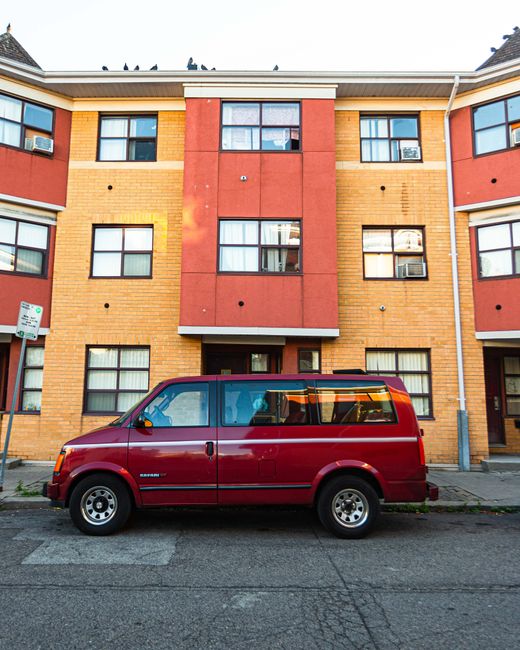
Moving a three-bed home in Queensbury sounds straightforward on paper. Then you arrive, spot the narrow street, notice the limited parking, and realise the van has nowhere obvious to wait. That is where a move can either become calm and well-paced, or turn into a stressy game of musical chairs with boxes. This case study looks at how a Queensbury three-bed with tight parking was handled in practice, what mattered most on the day, and how sensible planning made the difference. If you are trying to judge whether your own move will need extra care, this will help you think it through properly.
We will cover the access issues, the packing approach, the order of loading, the sort of vehicle choice that actually helps, and the mistakes that cause delays. There is also a practical checklist, a comparison table, and a FAQ section for the questions people tend to ask just before moving day. To be fair, that is usually when the panic starts.
Why Case study: Moving a Queensbury three-bed with tight parking Matters
Homes with three bedrooms usually come with a bigger furniture load, more boxes, and more awkward items than a small flat move. Add tight parking and the challenge changes again. Access becomes just as important as volume. In Queensbury, that often means dealing with terraced roads, busy residential streets, short kerb space, and the occasional neighbour's car left exactly where the van needs to be. Lovely.
This matters because parking pressure affects almost every part of the job. If the van cannot get close enough, movers spend more time walking items back and forth. That slows the move, increases the physical strain, and raises the risk of scratches, dropped items, or frustration between everyone involved. A good removal plan does not just protect the furniture. It protects the mood in the house as well.
There is also a money angle. Longer carrying distances can increase labour time, and if the move takes longer than expected, the whole day feels heavier. That is why many people choose a more flexible option such as a man and van style service for local access-sensitive moves, or a broader house removals service when the property contents and access both need more careful handling. The best choice depends on how much is being moved and how tricky the street really is.
In our experience, the access problem is rarely just about parking. It is about timing, loading order, door widths, stair turns, and the small decisions that save 10 minutes here and 5 minutes there. Those little wins add up fast.
How Case study: Moving a Queensbury three-bed with tight parking Works
The practical approach starts before anyone lifts a single box. The move was assessed by looking at the property layout, the likely vehicle position, and where items could be safely staged without blocking neighbours or the pavement. That initial thinking is what prevents a rushed, clumsy start.
The team planned the move around three constraints:
- limited parking outside the property
- a full three-bed household, including furniture and boxed contents
- a need to keep the route between the front door and van as short as possible
Because the parking was tight, it made sense to keep the van positioned so that the loading doors faced the easiest access point. If the street is narrow, the difference between a sensible parking position and a bad one can feel tiny on a map and huge on the ground. One wrong choice and you get reverse manoeuvres, blocked access, and a lot of muttering under your breath.
The packing phase mattered too. Fragile items were boxed securely and labelled so they could be loaded in a stable sequence. Heavy boxes went lower, softer items were used as cushioning where suitable, and bulky furniture was scheduled so it would not trap smaller boxes at the end. That is standard good practice, but honestly, it is where many moves go off the rails.
For homes like this, it is often useful to combine careful packing with help from packing and unpacking services or a more general removal services approach. Not everyone needs full packing support, but even partial help can save a lot of last-minute chaos.
The move itself was kept simple: protect, lift, carry, load, secure, repeat. No drama. The tight parking meant the loading rhythm had to stay steady, because stopping and starting too often burns time. A well-loaded van also matters once you hit the road, since poor weight distribution can make the drive feel less settled.
Key Benefits and Practical Advantages
When a Queensbury three-bed move is handled properly, the benefits are very visible. The day feels less frantic. The furniture arrives in better condition. And the family is not still hunting for the kettle at 7pm because someone packed it in a box marked "misc".
Here are the main advantages of planning for tight parking from the outset:
- Shorter handling times because the van is positioned intelligently
- Lower risk of damage thanks to less carrying distance and clearer loading order
- Less disruption to neighbours because the move is controlled rather than improvised
- Better van efficiency since the load is built methodically
- Reduced stress for the household, which may be the biggest benefit of all
There is also a practical planning benefit. Once you understand the access issue, you can decide whether the move needs a moving van, a larger vehicle, or a different scheduling approach. Not every move needs the biggest option available. Sometimes smaller and more manoeuvrable is the real answer.
A lot of people assume the biggest risk is the furniture itself. In reality, it is often the site conditions. A wardrobe can be wrapped perfectly, but if it has to be carried across a kerb, a front garden wall, and a street parked with cars, the risk climbs anyway. Parking access is part of the job, not a side issue.
Who This Is For and When It Makes Sense
This kind of move is ideal for anyone moving a medium-sized household where outside access is not generous. That includes families upgrading within the same area, long-term renters moving from a house into another house, and homeowners downsizing but still taking enough furniture to make the move substantial.
It also makes sense for people who want a local team that understands residential moving patterns. If you are comparing options, it can help to look at pages such as home moves and house movers to get a sense of how domestic jobs are structured. For some households, the right fit may even be a man with van removal style arrangement if the contents are moderate and access is tight enough that manoeuvrability matters more than brute size.
It makes less sense if the property is full to the rafters and the street requires major traffic management. In that case, a more structured removal team may be a safer choice. You want the service to match the access reality, not the other way around.
Ask yourself a simple question: can the vehicle get near the door without causing problems? If the answer is "sort of" or "only if the neighbours move their cars", you already know this needs extra care.
Step-by-Step Guidance
Here is the practical sequence that works well for a Queensbury three-bed with restricted parking. It is not fancy. It just works.
- Survey the access
Check the street width, parking availability, gate access, steps, and any low-hanging branches or awkward corners. If you can do this at the same time of day as the move, even better, because parking conditions can change a lot. - Choose the right vehicle size
A smaller, well-packed vehicle can sometimes outperform a larger one if the road is tight. For heavier or bulkier loads, a larger removal van or removals van may be a better fit than trying to squeeze a bigger truck into a cramped street. - Prepare the property
Clear hallways, remove loose rugs, and make sure the front path is not cluttered. Small slips and trips happen most often when everyone is rushing. - Pack by priority
Keep essentials separate, box by room, and label clearly. Put the kettle, chargers, toiletries, and documents where they can be reached quickly. - Load in the right order
Start with sturdy, heavy items and build around them. Protect corners and create stable layers so the van load does not shift while driving. - Keep the carry route open
On a tight-parking street, the route between door and van is precious. One person carrying, one person receiving, one person organising. Simple, calm, effective. - Do a final sweep
Check cupboards, loft spaces, under beds, behind doors, and utility areas. The last forgotten items are usually the annoying ones, naturally.
If the move includes bulky furniture, disassembly before moving day can save time and reduce the need for awkward turns. That is particularly helpful in terraced Queensbury properties where staircases can feel narrower than they looked in the survey photo.
Expert Tips for Better Results
A few practical details make a surprisingly big difference. First, be honest about parking. If the street is usually full by mid-morning, say so early. A good operator can plan around that. Guessing is what causes the scramble.
Second, keep one box of essentials separate and visible. Not hidden. Not "probably in the bedroom box". Visible. That one box saves a lot of first-night stress when you arrive tired, hungry, and mildly cross with the world.
Third, prepare a back-up parking option if one exists, even if it is a short walk away. Sometimes that means accepting a slightly longer carry route to avoid blocking traffic or risking a penalty. It is not ideal, but it can still be the cleanest solution.
Fourth, communicate clearly with neighbours. A quick polite note or conversation can prevent a complaint later. In a busy street, goodwill is worth more than people realise.
And lastly, do not underestimate wrapping and protection. Furniture blankets, corner guards, mattress covers, and tape that does not leave residue all help. A move is basically a temporary engineering problem with boxes.
Expert summary: For tight-parking house moves, the winning formula is not speed alone. It is access planning, load discipline, and a van setup that matches the street rather than fighting it.
Common Mistakes to Avoid
Some moving mistakes are tiny but costly. Others are obvious in hindsight and still happen every week. Here are the ones worth avoiding:
- Underestimating parking restrictions and assuming the van will "just fit"
- Packing too late, which leads to messy, unlabelled boxes and a slow load
- Not measuring bulky furniture before moving day
- Leaving the hallway cluttered, creating trip hazards and bottlenecks
- Trying to load randomly rather than by weight and fragility
- Forgetting the essentials bag and then searching for toothpaste at midnight
- Choosing a vehicle that is too large for the street access
One especially common issue is the "we'll deal with it on the day" approach. That sounds relaxed. It is not relaxed. It is usually just postponed stress. If parking is tight, the move needs a plan before the van arrives.
Another mistake is assuming the cheapest quote is always the best one. A lower price can be fair in some cases, but if it does not account for access complications, the actual day may be less smooth than expected. That is where clear pricing and quotes guidance becomes useful, because a realistic quote is usually a more trustworthy quote.
Tools, Resources and Recommendations
You do not need loads of special equipment, but a few practical items are worth having ready:
- sturdy boxes in mixed sizes
- packing tape and marker pens
- furniture blankets or protective covers
- mattress bags
- ratchet straps or tie-downs for van security
- basic tools for dismantling beds or tables
- door and floor protection where needed
From a service perspective, it helps to use a provider that is comfortable with residential access issues and flexible on move size. That could be a broader removals option, a local removal company, or a more tailored route such as man and van removals depending on the volume and complexity. There is no medal for overcomplicating it.
It is also sensible to check trust signals before booking. Read the company's about us page, review the insurance and safety information, and make sure the booking terms feel clear. That kind of due diligence takes minutes and can save a headache later.
If you want a more general sense of what the business offers, you may also find removal services helpful as a starting point. For people moving locally within the borough, that kind of overview makes comparison easier.
Law, Compliance, Standards, or Best Practice
For a household move, the main compliance concerns are practical rather than complicated. Safe lifting, responsible vehicle parking, clear communication, and care for property all matter. You do not need to become a legal expert to move house, but it does help to know the basics.
In the UK, movers are expected to handle goods and property with reasonable care. Good operators also manage health and safety sensibly, including safe loading, sensible lifting techniques, and keeping walkways clear. If a move uses a public road for loading, then parking and obstruction rules need attention too, especially in tight residential streets.
That is why it is smart to choose a provider with a visible health and safety policy and clear operating terms. It is also worth checking terms and conditions so you know what is included, what is excluded, and what happens if access turns out to be different from what was described.
Best practice also includes being transparent about fragile items, parking constraints, and any special access issues such as stairs, long walks, or shared entrances. Nothing dramatic. Just honest information. That is what keeps the day smooth.
Options, Methods, or Comparison Table
When moving a Queensbury three-bed with tight parking, the main question is not simply "what service should I book?" It is "what setup best fits the property and the street?" Here is a simple comparison.
| Option | Best for | Pros | Watch-outs |
|---|---|---|---|
| Man and van | Moderate loads, local access issues, flexible timing | Manoeuvrable, practical, often well suited to tight parking | May need multiple trips if the load is large |
| Standard removal van | Typical three-bed contents with manageable street access | Good balance of capacity and access | Still needs careful parking planning |
| Larger moving truck | Heavier or fuller households with space to manoeuvre | High capacity, fewer trips | Can be awkward on narrow roads |
| Full removal service | Complex homes, awkward furniture, higher support needs | More structured, often less stressful | May cost more and still needs access planning |
There is no universal winner. If the parking is very tight, the smallest sensible vehicle often works better than the biggest available one. That sounds obvious, but people forget it all the time. Size is useful only if the street can actually absorb it.
Case Study or Real-World Example
Here is how the move played out in real-world terms. The property was a three-bed home in Queensbury with enough contents to need a serious loading plan, but not so much that a massive truck was automatically the answer. The real challenge was the road outside. Parking was limited, and the best space needed to be used carefully.
Before the van arrived, the household had already boxed the non-essentials and separated fragile items. That meant the team could focus on moving, not sorting through half-packed cupboards. The loading sequence started with the heaviest furniture and most stable boxes, which created a firm base inside the van. Softer items then filled the gaps. Nothing fancy. Just efficient.
Because the parking was tight, the team kept the carry route short and the loading rhythm consistent. There was a small moment of street-level chaos when a neighbour opened a car door and realised the van was occupying the exact best spot. A quick, polite conversation solved it. These things happen. The point is to stay calm and keep moving.
By the end of the day, the move had been completed without avoidable damage or major delay. The household was tired, naturally, but not wrecked by the experience. That is the real measure of a good move. You should be unpacking, not recovering.
For a property like this, the move works best when the service is matched to access conditions, packing is organised, and everyone knows where the van can safely stand. That combination is boring in the best possible way.
Practical Checklist
Use this checklist if you are planning a similar move:
- measure larger furniture before move day
- confirm parking arrangements for both properties
- check stair width, doorway clearance, and turning space
- pack fragile items separately and label them clearly
- set aside an essentials box for the first night
- disassemble furniture if it will make access easier
- protect floors, corners, and mattress surfaces
- notify neighbours if the street will be busy
- keep keys, documents, and chargers in one safe place
- review insurance, terms, and safety details before booking
If you want broader help beyond the move itself, it can also be useful to look at removals near me as a way of comparing nearby support options and figuring out which service style feels right for your situation.
Quick takeaway: the move becomes much easier when the parking problem is treated as part of the plan, not as an afterthought.
Conclusion
A Queensbury three-bed with tight parking is very manageable, but only if the access problem is handled properly from the start. The move is not just about lifting and driving. It is about street awareness, sensible packing, the right vehicle choice, and a calm loading plan that respects the space you actually have.
The good news is that tight parking does not have to mean a stressful moving day. With clear preparation, honest communication, and a practical service setup, the job can still run smoothly. Maybe not effortlessly. Let's be real. But smoothly enough that you get into the new place with your sanity intact.
If you are planning a move like this and want to avoid last-minute surprises, take a moment to review the service details, compare your options carefully, and make sure the access picture is clear before the van arrives. That one bit of planning tends to pay for itself several times over.
Get a free quote today and see how much you can save.
And if you do end up moving on a tight Queensbury street, remember this: a well-planned move feels less like a battle and more like a fresh start. That is the part worth aiming for.
Frequently Asked Questions
How do you move a three-bed house when parking is tight?
You start with access planning. Check where the van can legally and safely stop, measure the walking distance, and decide whether a smaller vehicle or a more flexible loading plan will work best. Good packing and a clear loading order make a big difference too.
Is a man and van suitable for a Queensbury three-bed move?
Sometimes, yes. If the contents are moderate and access is tight, a man and van setup can be a good fit. If the house is heavily furnished or includes several large items, a bigger removal vehicle may be safer and more efficient.
What is the biggest risk with tight parking on moving day?
The biggest risk is delay turning into damage or frustration. If the van cannot get close enough, the crew spends more time carrying items, which increases physical strain and the chance of knocks or dropped furniture.
Should I reserve parking space for the move?
If parking is usually busy, yes, it is worth planning for it as early as you can. Even if you cannot formally reserve a space, having a back-up plan or speaking with neighbours can make the day much smoother.
Do I need packing services for a three-bed move?
Not always, but they can help a lot if you are short on time or worried about getting organised. Partial packing support is often enough for fragile items, awkward rooms, or a household that has simply run out of spare energy.
How far in advance should I plan a move with access problems?
As early as possible. Access issues are much easier to solve when they are discussed before booking. That gives you time to think about vehicle size, loading access, and whether any furniture should be dismantled.
What should I tell the removal team before the move?
Be clear about parking, steps, narrow entrances, heavy furniture, and anything fragile or unusual. The more accurately you describe the property, the easier it is for the team to plan realistically.
Is a larger moving truck always better for a three-bed house?
No. A larger truck may sound ideal, but if the street is tight it can create more problems than it solves. Capacity matters, but so does manoeuvrability. The best vehicle is the one that fits the access conditions.
What should I do if the street is blocked on moving day?
Stay calm and look at the back-up options you arranged earlier. A short temporary waiting period or a different loading point may be enough. If needed, keep neighbours informed so the situation stays civil and manageable.
How can I reduce moving day stress in a tight parking area?
Pack early, label clearly, separate essentials, and keep the route between the front door and vehicle as clear as possible. Little practical steps reduce stress more than people expect. Honestly, it is the small stuff.
Can I combine furniture pick-up with a house move?
Yes, if the timing and vehicle capacity make sense. A separate furniture pick up can also be useful if you need to clear items that will not be going into the new home, which helps keep the move more efficient.
What should I look for in a local removal provider?
Look for clear pricing, sensible insurance information, visible safety guidance, and a service style that matches your move size. It also helps if they understand local access issues and can explain how they would handle a tight street without making a fuss about it.