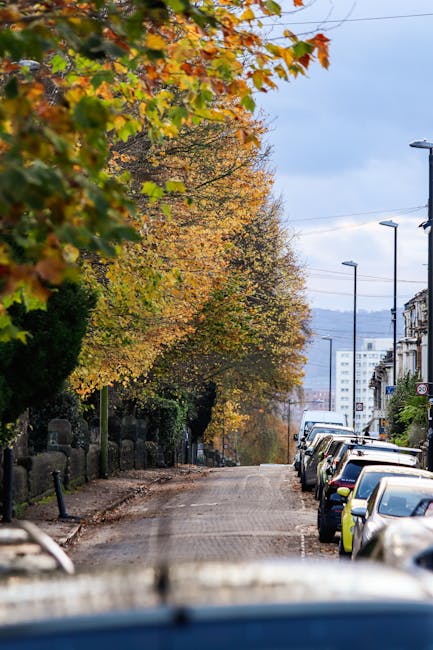
Harrow Road parking for removals in Queensbury: a practical guide for smoother moving day
If you are planning a move and need to think about Harrow Road parking for removals in Queensbury, you are already ahead of the game. Parking is one of those moving-day details that can quietly make everything easier, or turn a decent plan into a stressful scramble. A van too far away from the front door means extra carrying, more time, and a higher chance of damage. And if the road is busier than expected, well, that can be the part everyone remembers for the wrong reasons.
This guide breaks down what parking setup really matters on Harrow Road, how removals teams usually approach it, and what you can do to keep your move controlled from the first box to the last. You will also find practical tips on loading, access, compliance, and local planning, plus a checklist you can use before the van arrives. If you want a wider view of the service side of moving, it can help to look at the company's removal services overview and pricing and quotes page as you compare options.
Table of Contents
- Why Harrow Road parking for removals in Queensbury Matters
- How Harrow Road parking for removals in Queensbury Works
- Key Benefits and Practical Advantages
- Who This Is For and When It Makes Sense
- Step-by-Step Guidance
- Expert Tips for Better Results
- Common Mistakes to Avoid
- Tools, Resources and Recommendations
- Law, Compliance, Standards, or Best Practice
- Options, Methods, or Comparison Table
- Case Study or Real-World Example
- Practical Checklist
- Conclusion
- Frequently Asked Questions
Why Harrow Road parking for removals in Queensbury Matters
Parking is not just a traffic issue. For removals, it is part of the access plan. On a road like Harrow Road, where properties can sit close together and space may be limited at peak times, the difference between a smooth move and a frustrating one often comes down to where the van can stop. A good parking position shortens the carry distance, reduces the time your team spends exposed to weather, and lowers the risk of knocks to walls, banisters, furniture, and floors.
To be fair, people often focus on packing first and parking last. That order is understandable, but a move is really a chain of small decisions. If the parking slot is awkward, the whole rhythm changes. A sofa that should take three minutes to lift can suddenly involve a long walk, a tight turn, and that awkward moment where everyone says, "Right, let's try it this way instead."
For Queensbury residents, parking also matters because it affects how removals teams work around the local environment. Narrower residential streets, shared drives, front garden walls, parked cars, and morning traffic all influence the best approach. That is why good removals planning starts before the van arrives. A strong plan is often the quiet difference between calm and chaos.
If the move includes stairs, bulky furniture, or fragile items, parking position becomes even more important. A shorter route from van to front door means fewer handling points. Fewer handling points usually means less risk. That simple.
How Harrow Road parking for removals in Queensbury Works
In practice, parking for removals on Harrow Road usually involves a few sensible steps: checking the road layout, deciding how close the removal vehicle can safely get to the property, confirming whether any restrictions apply, and making sure the parking plan fits the size of the load.
Some moves can use a direct outside-the-property position. Others need a bit more thought. If the street is tight, the van may need to stop where it does not block access, waste collection, or safety routes. In some cases, a remover will recommend arriving at a quieter time of day, using a smaller man and van service in Queensbury, or splitting the move into smaller trips. A flexible approach is often better than forcing a single rigid plan.
On the day, the removal team will usually assess the safest loading point first. That might be close to the entrance, or it may be a short walk away if the immediate area is busy. The key thing is making the path predictable. Clear the route, protect pinch points, and keep the van parked where the team can load without constant repositioning. The less the van moves, the better.
If you are moving a flat, the situation can be slightly different again. Access may depend on communal parking, entrance codes, lift availability, or shared front space. In those cases, it is sensible to review flat removals in Queensbury and think through how parking interacts with building access. Parking and access are two sides of the same coin, really.
Key Benefits and Practical Advantages
Good parking planning brings more benefits than people expect. It is not glamorous, but it pays off fast on moving day.
- Shorter carrying distances: less strain on movers and fewer chances to bump furniture.
- Better timing: loading and unloading tend to be quicker when the van is sensibly positioned.
- Lower damage risk: fewer doorframe scrapes, fewer awkward turns, fewer floor scuffs.
- Less stress for everyone: the day feels more organised when the vehicle is where it needs to be.
- Safer handling: a better parking layout supports proper lifting and carrying posture.
There is also a money angle, even if nobody likes talking about it. The more efficient the load, the less time is lost to parking puzzles and extra carrying. That can matter especially for larger removals or time-sensitive jobs. If you are comparing service types, it may help to look at a dedicated removal van in Queensbury for the right vehicle size rather than assuming a bigger van is always the answer.
And here is a small but important point: a good parking setup can reduce the temptation to rush. Rushing is where mistakes creep in. Slow is smooth, smooth is safe. Bit of a cliche, yes, but in removals it still holds up.
Who This Is For and When It Makes Sense
This topic is useful for anyone moving on or near Harrow Road in Queensbury, but it becomes especially relevant in a few common situations.
- People moving from terraced houses with limited on-street space
- Anyone in a flat or maisonette where parking and access need careful coordination
- Families moving larger furniture, appliances, or boxed contents
- Students needing a quick, efficient move with minimal disruption
- Homeowners who want the van as close as possible to reduce carrying
- Businesses or office managers planning a time-pressured relocation
If you are moving a one-bedroom flat, a full house, or even a few awkward items, the same principle applies: the parking plan should suit the job. A student move may be light, but if you are on a tight schedule and working around school runs or local traffic, a bad parking choice can still cause a delay. For smaller jobs, student removals in Queensbury can be a smart fit because the vehicle size and loading plan are usually more adaptable.
It also makes sense if you are moving a property with special items, such as a piano, a freezer, or bulky seating. The closer the van can get, the easier those items are to handle safely. You might also want to review furniture removals in Queensbury and piano removals in Queensbury if your move includes awkward or valuable pieces.
Step-by-Step Guidance
Here is a practical way to approach parking for removals on Harrow Road without overcomplicating it.
- Check the property access first. Look at the front of the building, gates, steps, path width, and whether there is a clear place for a van to stop without causing trouble.
- Identify likely parking constraints. Think about bus routes, school hours, resident parking, driveways, and nearby junctions. If the road is usually busy, plan around that rather than hoping for the best.
- Measure the useful route. From the van to the front door, what is the real carry distance? Even a few extra metres matter when you are moving repeatedly.
- Choose the right vehicle size. A smaller van can sometimes be easier to place than a larger one. That may save time overall. If you are unsure, discuss options through the man with a van service in Queensbury.
- Prepare the entrance. Remove loose mats, open gates early, and keep hallways clear. If you want a refresher on safe movement indoors, the guide on protecting stairs from damage during a move is well worth a look.
- Book parking support if needed. For some moves, especially in tighter areas, it is sensible to arrange a plan with the removals provider ahead of time.
- Do a final walk-through before loading starts. Confirm where the van will stop, where items will stage, and who will direct the first lift. A one-minute pause here can save ten minutes later.
Truth be told, the best parking plan is the one that feels almost boring. No drama, no last-minute reshuffles, just a clean route from house to van. That is the sweet spot.
Expert Tips for Better Results
These are the small details that often separate a decent move from an easy one.
- Think in "carry zones". Put the heaviest items closest to the van loading point so they move first and do not have to be carried twice.
- Protect the route as well as the item. A blanket over a doorstep, corner guards near a narrow turn, or a sheet over flooring can prevent petty damage that becomes irritating later.
- Pre-sort items by size. If the van is parked a short distance away, you want the carry to be efficient. Big first, fragile second, odd shapes last. Generally speaking.
- Keep a clear "pause point". Sometimes a staging spot halfway between door and van helps if the load is large. It stops the whole move clogging up.
- Use a lighter lift strategy for repetitive runs. The guide on lifting heavy loads safely and the article on kinetic lifting both reinforce the same idea: good body mechanics matter more when the parking isn't perfect.
One extra practical observation: if the move is taking place on a damp morning, wet paving and road grime can make repetitive carrying surprisingly tiring. A small towel at the doorway sounds trivial. It is not trivial. Little things like that save frustration.
If your move includes beds, sofas, or white goods, consider the order of loading. For example, a mattress that arrives at the van in a sensible position is much easier to load and secure. The same applies to appliances that should not be dragged or tipped carelessly. Useful reading includes moving beds and mattresses and storing a freezer securely when unused.
Common Mistakes to Avoid
A lot of parking problems are avoidable. That is the annoying part, but also the encouraging part.
- Assuming there will be space on the day. Parking that looks fine at 8am may be gone by 10am.
- Blocking a neighbour's access. It only takes one upset neighbour to turn a smooth move into a conversation nobody wanted.
- Ignoring the turning circle. A van may fit in a space but still be awkward to exit safely.
- Leaving the load too far from the vehicle. Even tidy piles become inefficient when the walk is long.
- Not protecting the path. A few floorboards, a doorstep, or a narrow stairwell can take more damage than you expect if nobody plans ahead.
- Choosing a vehicle without checking access. Bigger is not always better. Sometimes it is just bigger, which is not the same thing.
Another common issue is underestimating how long unloading takes when the parking position is poor. If you are trying to do everything fast, yet the van has to sit around the corner, the whole schedule starts to wobble. That is where a lot of moving-day tension comes from. Not the boxes, oddly enough. The boxes are usually fine.
Tools, Resources and Recommendations
You do not need a van full of specialist gear for every move, but a few useful tools make parking and loading far easier.
| Tool or resource | Why it helps | Best used for |
|---|---|---|
| Moving blankets | Protects furniture, walls, and door edges | Long carries, tight entrances, valuable items |
| Furniture straps | Improves control when carrying heavy or awkward loads | Sofas, cabinets, appliance handling |
| Labels and markers | Makes staging and loading more efficient | Multi-room house moves |
| Protective floor covering | Reduces scuffs in hallways and entrances | Older properties, polished floors, wet weather |
| Removal boxes and packing materials | Keeps items stacked safely for quicker loading | General domestic and office moves |
If you have not packed yet, do not leave that part to the last minute. A well-packed home makes parking problems less painful because the loading and unloading each become more predictable. For practical help, see packing and boxes in Queensbury and the guide on packing your home efficiently.
Need a calmer move overall? The article on keeping a house move steady and organised is a useful companion piece, especially if you are managing a family move or a tight deadline.
Law, Compliance, Standards, or Best Practice
Parking for removals may look simple, but it still needs a sensible approach to safety and courtesy. In the UK, best practice usually means parking legally, avoiding obstruction, and making sure the vehicle does not create unnecessary risk for pedestrians, residents, or road users. If any loading or stopping arrangement is unclear, it is safer to pause and assess than to squeeze in and hope for the best.
For removals businesses, good practice also includes using suitable vehicles, trained handling methods, and sensible risk awareness. That is part of why many customers prefer a provider that takes health and safety seriously and backs it up with proper insurance and safety guidance. If something feels rushed or unsafe, it usually is.
Another useful standard is communication. A crew should know where they can park, what the access route looks like, and whether there are any items that need special handling. If you are moving a piano or a fragile item, clearer planning matters even more. There is a reason specialist content like why expert piano moving matters exists. Some jobs simply need more care.
And yes, local parking conditions can vary. What works on one street may be a poor fit on the next. That is normal. It is also why talking through the address beforehand is never a waste of time.
Options, Methods, or Comparison Table
Different parking and access approaches suit different types of move. Here is a simple comparison to help you think it through.
| Approach | Best for | Pros | Trade-offs |
|---|---|---|---|
| Park directly outside | Easy access homes, quieter roads, smaller loads | Shortest carry, fastest load | May not always be available |
| Park nearby and use a short carry | Moderately busy roads or restricted front space | More flexible, often practical | Needs extra planning and protection |
| Use a smaller van | Tighter roads or limited manoeuvring room | Easier placement, sometimes less disruption | May need more trips if the load is large |
| Split the move | Large household moves or time-limited access | Reduces congestion and handling pressure | Takes longer overall, but can be calmer |
For many Queensbury moves, the best answer is not one method forever. It is a mix. Maybe the van parks directly outside, but one bulky item is staged from the hallway first. Maybe the team uses a smaller vehicle for the first run and a larger one later. That is normal. Practical beats perfect, every time.
Case Study or Real-World Example
Imagine a typical morning move on Harrow Road. A couple are leaving a first-floor flat, and the larger items include a sofa, a mattress, a chest of drawers, several boxes, and a freezer that has been stored for a while. The road is busy enough that parking directly outside seems uncertain.
Instead of waiting until the van arrives and hoping for the best, the move is planned in advance. The removal team confirms where the vehicle can stop safely, the customers clear the hallway the night before, and the heavy items are positioned near the front room ready to go. The freezer is checked against the advice in the relevant storage guidance, and the stairs are protected before anything bulky starts moving. The result is not magical. It is just efficient.
The load still takes effort, of course. Moving day always does. But because the parking is thought through, the team is not fighting the layout as well as the furniture. The sofa comes out without a scrape. The boxes are stacked neatly. Nobody has to carry a wardrobe halfway down the street. Small win, but it changes the mood of the whole morning.
If the same move had been handled without a parking plan, the team might have spent extra time repositioning the van, walking items further, and managing pressure from neighbours or passing traffic. That is often where stress comes from: not the move itself, but the little bits around the move.
Practical Checklist
Use this checklist the day before and the morning of your move.
- Confirm the exact address and access points
- Check likely parking space near the property
- Identify any road restrictions or busy periods
- Measure the carry distance from van to door
- Decide whether a smaller or larger vehicle makes more sense
- Clear the hallway, steps, and entrance area
- Protect floors, corners, and bannisters where needed
- Pack fragile items securely and label boxes clearly
- Keep keys, documents, and essentials separate
- Brief everyone on who is directing the first load
Quick reminder: if the parking plan feels uncertain, sort it out before the van arrives. Once people are standing with boxes in hand, decisions get noisier and slower. Happens all the time.
Conclusion
Harrow Road parking for removals in Queensbury is really about one thing: making the move easier before the heavy lifting even begins. Good parking shortens the carry, supports safer handling, and keeps the day feeling organised rather than improvised. That matters whether you are moving a flat, a family home, or a few bulky pieces.
The strongest approach is usually simple. Plan the parking, match the vehicle to the access, protect the route, and keep communication clear. Do that well and the rest of the move tends to behave itself a bit more. Not perfectly, because moving days rarely are, but close enough that you can breathe.
If you want tailored help for your move, speak to the team early so they can advise on the right vehicle, access approach, and timing for your address. The earlier you lock that in, the calmer the day usually feels.
Get a free quote today and see how much you can save.
And when the last box is in place, it is surprisingly nice to look back and realise the parking was never the problem after all. Just one more thing handled properly.
Frequently Asked Questions
Can a removals van park directly on Harrow Road in Queensbury?
Sometimes, yes, but it depends on the exact location, traffic conditions, and any restrictions on the street. The safest approach is to assess the property in advance and decide whether direct parking is practical or whether a nearby stop is better.
Do I need to arrange parking before the move?
It is strongly advisable. Even if no formal booking is needed, you should think through space, access, and timing. A simple plan prevents last-minute delays and makes the removal much more efficient.
What happens if there is no space outside my property?
If direct parking is not available, the team may park nearby and use a short carry route. In some cases, a smaller van or a split-load approach works better. It is usually a manageable problem, not a disaster.
Is a smaller van better for Harrow Road parking issues?
Often it is, especially where the street is tight or manoeuvring space is limited. A smaller van can be easier to place safely, though the right choice still depends on how much you are moving and how many trips will be needed.
How far in advance should I plan parking for removals?
As early as possible. Even a quick check a few days before the move can help you avoid surprises. If the road is known to be busy, earlier planning gives you more flexibility.
What if my move includes heavy items like a piano or freezer?
Then parking matters even more. Heavy items are safer and easier to move when the van is close to the entrance. You may also want specialist support for items that need careful handling, such as piano removals or freezer-related storage guidance.
Can parking affect the price of a removal?
It can, indirectly. Longer carry distances, extra trips, and slower loading can all affect how long the move takes. That is why access details are useful when requesting a quote through the contact page.
Should I reserve boxes, parking, or both in advance?
Both, ideally. Good packing materials help the move run smoothly, and parking planning reduces wasted time on the day. They work together more than people realise.
What is the biggest mistake people make with parking on moving day?
Assuming it will sort itself out. It rarely does. Parking needs a plan, even if the plan is simple. Otherwise you end up adapting in real time, and that is when stress starts to creep in.
Is it worth using a professional removals company for a local Queensbury move?
For many people, yes. A good removals team brings experience with access, loading, safe handling, and practical problem-solving. If you want reassurance about how the business works, the about us page is a useful place to start.
What should I do the night before moving day?
Finish most of your packing, clear the entrance route, separate essentials, and confirm the parking plan. A calm night before usually leads to a better morning. No fancy tricks, just preparation.
Where can I find more help with moving safely and efficiently?
Useful related reading includes decluttering before you relocate, moving-out cleaning tips, and the company's removals in Queensbury page for broader service support.