Antique and fragile items in Queensbury: Local moving precautions
Moving a box of books is one thing. Moving your grandmother's glass cabinet, a chipped-but-loved mirror, or a delicate vase that has somehow survived three house moves already? That's a different story entirely. Antique and fragile items in Queensbury: Local moving precautions are about more than wrapping things up and hoping for the best. They're about timing, route planning, packing discipline, and a bit of calm judgement when the hallway looks too tight and the stair turn feels awkward.
If you're moving around Queensbury, you'll know the local reality can be a bit stop-start: narrow access, parking pressure, shared entrances, and the occasional "how on earth do we get this out?" moment. This guide walks through the practical precautions that actually reduce breakage risk, save time, and make the move feel less fraught. It's written for everyday people, not warehouse operators, so you can use it straight away.
Why Antique and fragile items in Queensbury: Local moving precautions Matters
Antiques and delicate household pieces fail in very ordinary ways. A table leg catches the door frame. A picture frame flexes in transit. A ceramic item rattles inside a box because there was one gap left unfilled. Nothing dramatic is needed; just a few small mistakes in the wrong order, and the damage is done.
In Queensbury, local moves often involve short journeys, but short does not mean simple. Frequent loading and unloading, stairs, tight parking spots, and quick handovers can make fragile items more vulnerable than on a long-distance move. The irony is that local moves sometimes get treated too casually. "It's only a few streets away" can lead to rushed packing, loose wrapping, and poor stacking in the van. That's exactly how antiques get scratched, shaken, or cracked.
There's also the emotional side. An antique is rarely just an object. It may be a family inheritance, a first major purchase, or a piece you've spent years restoring. If something happens to it, you don't just lose money; you lose trust in the move. And let's face it, nobody wants that sinking feeling on moving day.
If you are planning a broader home relocation, it can help to start with a steadier overall plan, especially if you are comparing house removals in Queensbury or checking the wider services overview before you book anything.
How Antique and fragile items in Queensbury: Local moving precautions Works
Good protection works in layers. Think of it as a chain, and every link matters: inspection, wrapping, boxing, loading, driving, unloading, and placement. If one layer is weak, the rest has to work harder.
The process usually starts with identifying which items are truly fragile. Not everything old is delicate, and not everything delicate is old. A solid oak sideboard may be heavy and valuable, but not especially fragile. A hand-painted lamp, however, may be far more vulnerable even though it weighs very little. Distinguishing between those two helps you avoid wasting time on unnecessary padding while still protecting the important pieces properly.
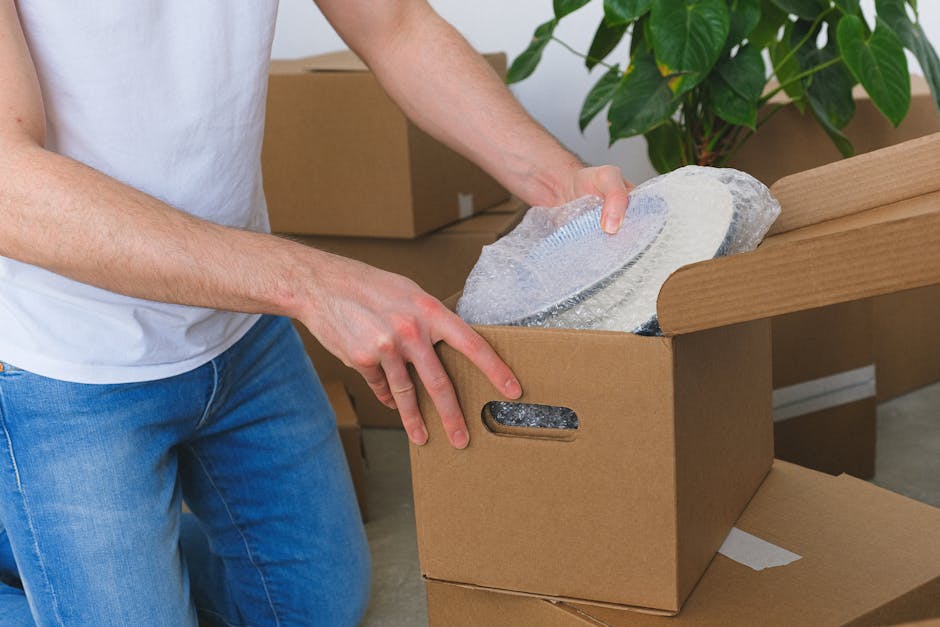
Then comes preparation. Each item should be cleaned lightly, photographed, wrapped, and boxed or crated according to its size and shape. Packaging should prevent movement inside the container, not just cover the item. That's a subtle difference, but it matters. A box full of lovely wrapping paper and a loose object inside is still a risky box.
During loading, fragile items should be kept away from heavy furniture and anything with sharp edges. Upright placement is often better than lying pieces flat, though not always; the shape of the item decides that. Soft materials, corner protectors, and stable stacking are the real heroes here. The van ride itself is only one part of the journey, but in a local move it can still be enough to cause trouble if items are not immobilised.
A useful mindset is to assume every bump, brake, and corner will be felt by the item. That sounds cautious because it is. Better cautious than repairing a cabinet after the fact.
Key Benefits and Practical Advantages
Taking precautions with antiques and fragile belongings offers benefits beyond avoiding a broken lamp or a scratched mirror. The gains are practical, financial, and honestly a bit psychological too.
- Less damage risk: Proper wrapping, padding, and handling reduce knocks, pressure cracks, and vibration damage.
- Smoother loading: Carefully prepared items are easier to carry and arrange in the van without last-minute panic.
- Faster unpacking: Clear labelling means the right box ends up in the right room, not in the garage with a thousand other things.
- Better control over costs: Preventing damage avoids replacement or repair expenses that can quickly become annoying, if not expensive.
- More confidence on the day: You move with a steadier head when you know the valuables are packed well.
There's also a quieter benefit: you preserve the object's story. A moved antique should arrive with its age, charm, and character intact, not with a fresh dent that says "moving day was chaos".
If fragile items are part of a larger move, it can also be worth thinking about the rest of the property in one go. A careful packing plan often pairs well with packing supplies and boxes in Queensbury, especially when you need the right carton sizes and protection materials rather than generic grab-and-go packaging.
Who This Is For and When It Makes Sense
This approach matters for more people than you might think. It is not just for collectors with formal art pieces or museum-level antiques. In everyday Queensbury moves, the risky items often include:
- heritage furniture with carved edges or loose joints
- china, porcelain, and glassware
- mirrors and framed artwork
- lamps, clocks, and decorative pieces
- old books, records, and boxed paper archives
- musical instruments with delicate mechanisms
- family keepsakes that can't really be replaced
It makes sense whenever the value is not only financial but sentimental. That is the real trigger. You may be moving from a flat, a larger house, or a shared property, and you may only have a handful of fragile pieces. Still worth handling properly. In fact, the smaller the number of precious items, the easier it is to give each one the attention it deserves.
Students and first-time movers can benefit too, especially if they are carrying heirloom items or old tech. A move can feel rushed and informal, but the packing standards should stay serious. The boxes do not care that you are juggling tenancy dates and a last-minute change of plans.
Step-by-Step Guidance
Here's a practical sequence you can follow for antique and fragile items before a local move in Queensbury.
- Sort and inspect each item. Check for loose joints, cracks, chips, wobble, or existing wear. Photograph everything before packing.
- Decide what needs special treatment. Some pieces just need good wrapping. Others may need double boxing, custom padding, or to be moved separately from the main load.
- Gather the right materials. Use strong boxes, acid-free paper for sensitive surfaces, bubble wrap where appropriate, blankets, corner guards, and tape that actually sticks.
- Prepare the item itself. Remove loose drawers, shelves, keys, or detachable fittings. Keep screws and small parts in labelled bags.
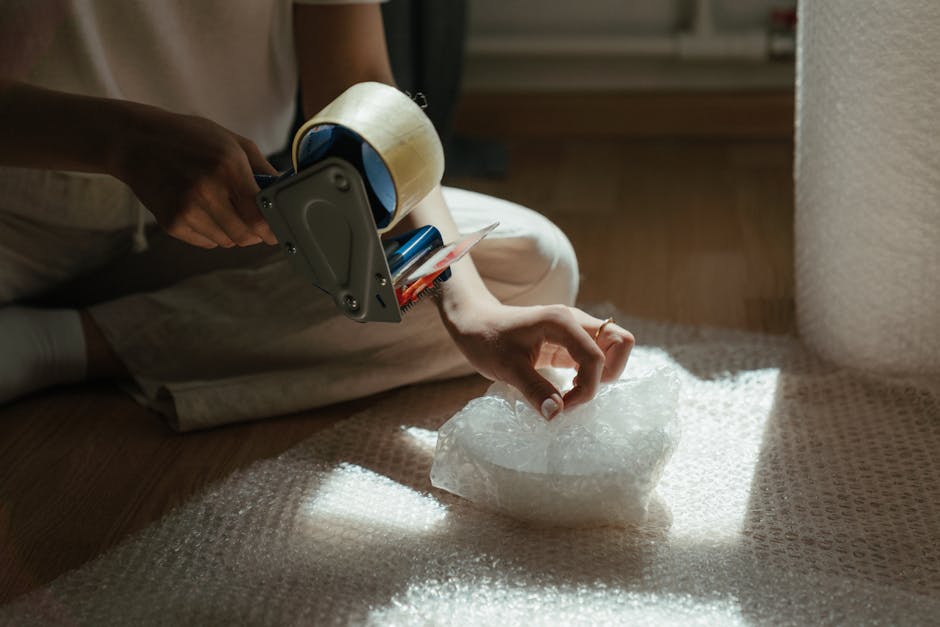
- Wrap in layers. Start with a soft surface layer, then add cushioning. Avoid direct tape on varnish, paint, or upholstery where possible.
- Fill voids. Empty space inside a box is your enemy. Use packing paper or cushioning to stop items shifting.
- Label clearly. Mark boxes as fragile and note which way up they should be handled. Also label the destination room.
- Plan the route out of the property. Measure doorways, hallways, and stair turns. If the item is awkward, clear the route before you start lifting.
- Load the van carefully. Place the heaviest stable items first, then secure fragile boxes so they cannot slide. Keep antiques away from anything likely to move.
- Unload and settle immediately. Do not leave delicate boxes sitting in a drafty porch or stacked at random. Unpack or place them in a safe room first.
One simple rule helps a lot: if the item can move inside the container, the packaging is not finished yet.
For bulky items that need a similar level of care, it may help to read about furniture removals in Queensbury as part of the wider move plan. And if the move is time-sensitive, same-day removals in Queensbury can be relevant, though fragile items always deserve a calmer pace even when the overall timetable is tight.
Expert Tips for Better Results
These are the small details that make a big difference. They are the sort of thing you only learn after seeing one too many bent frames and crushed corners.
- Use two people for awkward antiques. One person can stabilise while the other guides. It sounds obvious, but in the moment people often try to muscle through.
- Keep weight balanced. A box should feel steady when lifted. If one side is much heavier, the item inside may shift or the box may tear.
- Avoid newspaper on fine finishes. Ink transfer is a nuisance. Plain packing paper is safer for delicate surfaces.
- Protect corners first. Corners are the first point of impact on frames, cabinet edges, and tabletop pieces.
- Take your time at stair turns. Most damage happens on the turn, not the straight bit. If you are dealing with stairs, extra care is worth its weight in gold.
- Leave high-value items for daylight when possible. Natural light makes inspection easier, especially when checking scratches and loose wrapping.
If you want to reduce avoidable knocks on stairwells and landings, it helps to read the practical advice in guarding stairs from damage. And for heavier but still delicate pieces, the advice in understanding kinetic lifting is useful because it explains why controlled movement matters more than force.
A slightly odd but true point: the most fragile thing on moving day is often not the item, it's the rushed mood. Slow is smooth, smooth is safe. A bit dramatic, maybe, but it works.
Common Mistakes to Avoid
Most breakages come from predictable errors. That's the frustrating part. They are avoidable, yet they keep happening because people are busy, tired, or overconfident.
- Overpacking boxes: A heavy box with fragile contents is a bad combination. Weight and breakability should be managed separately.
- Underpadding items: One thin layer rarely absorbs enough shock on a bumpy road or a tight staircase.
- Leaving loose space in boxes: Movement inside the box can cause chips, cracks, and edge wear.
- Mixing fragile and heavy items: Don't put a porcelain bowl beside a lamp base and hope they behave.
- Using the wrong van layout: Soft items should not be crushed under mattresses, wardrobes, or stacked boxes that might tip.
- Forgetting route checks: The move can go smoothly until the item reaches a narrow door or parked car you didn't account for.
- Skipping insurance conversations: Always understand what cover is in place before the move starts.
One common slip is treating antique packing the same way you'd pack kitchen mugs or ordinary glassware. Close, but no. Antiques may have weaker joints, aged adhesives, or decorative elements that need far more restraint.
Another mistake is assuming all damage will be visible at once. Sometimes a piece seems fine on arrival, then a wobble, crack line, or loose fitting shows up later. That's why careful unpacking matters too.
Tools, Resources and Recommendations
You do not need a warehouse full of specialist kit, but you do need the right basics. Good tools reduce guesswork and make handling more controlled.
| Item | Best use | Why it helps |
|---|---|---|
| Strong double-walled boxes | Glassware, smaller antiques, framed pieces | Better compression resistance and less collapse risk |
| Packing paper | Wrapping surfaces and filling gaps | Prevents scratching without adding much bulk |
| Bubble wrap | Delicate items needing impact absorption | Helps cushion shocks, especially in transit |
| Blankets and furniture covers | Cabinets, mirrors, larger pieces | Protects surfaces from scuffs and dust |
| Corner protectors | Frames, tables, and sharp-edged furniture | Reduces impact on the most vulnerable points |
| Labels and marker pens | Box identification | Speeds handling and helps avoid rough placement |
For general moving preparation, the advice in efficient home packing can support your overall system, while decluttering before you relocate helps you avoid wasting protection materials on items you no longer need.
If you need storage between moves, choose a place that keeps items dry, stable, and away from pressure points. For some belongings, short-term storage is safer than forcing everything into one chaotic moving day. A calm split can be worth it.
Law, Compliance, Standards, or Best Practice
For most domestic moves, there is no special antique-move law sitting in the background. But that does not mean there are no standards to follow. The key expectations are usually about reasonable care, safe handling, and honest communication about risk.
In the UK, professional movers are generally expected to operate with appropriate insurance, clear terms, and sensible manual handling practices. That means they should not guess, rush, or overload people beyond what is safe. It also means customers should declare especially delicate or high-value items in advance so arrangements can be made properly. Leaving that until the van door is open is not the best moment.
Best practice also includes:
- clear item inventory before moving day
- agreement on handling expectations for antiques and valuables
- appropriate packing materials for the item type
- safe manual lifting techniques
- awareness of access issues such as stairs, narrow halls, and parking limits
If you're comparing removal support, it may be useful to review insurance and safety information and the health and safety policy before booking. If payment security matters to you, the page on payment and security gives extra reassurance too.
And if you are ever unsure whether a particular antique needs specialist attention, treat uncertainty as a signal, not a nuisance. That's the sensible way to think about it.
Options, Methods, or Comparison Table
There are several ways to handle antique and fragile items. The right method depends on value, shape, condition, and how difficult the local access is. Here's a simple comparison.
| Method | Best for | Strengths | Limitations |
|---|---|---|---|
| Standard box packing | Smaller delicate items | Simple, affordable, quick | Not ideal for irregular or highly valuable pieces |
| Double boxing | Breakable items with extra shock risk | Excellent cushioning and impact resistance | Uses more materials and space |
| Blanket wrapping | Larger furniture and antiques | Protects surfaces and corners well | Needs good securing to avoid sliding |
| Custom crating | Very valuable or unusually shaped pieces | High protection, stable for transport | More time, planning, and cost |
| Separate transport | Extremely delicate or sentimental items | Reduces contact with other belongings | Requires extra coordination |
For many Queensbury moves, standard packing plus good route planning is enough. For heirlooms or fragile collectibles, double boxing or custom protection is usually the wiser route. Simple rule: the more unusual the item, the less "standard" your protection should be.
When larger home items are also being moved, it may help to pair your fragile-item plan with man and van support in Queensbury or a removal van in Queensbury depending on the load size and how much room you need for stable placement.
Case Study or Real-World Example
Picture a typical Queensbury flat move on a damp Saturday morning. Nothing dramatic. A narrow staircase, a parking slot that's not quite where you hoped it would be, and a glass-front cabinet that looks perfectly manageable until you have to turn it at the landing. Standard moving chaos, basically.
In a situation like that, the safest approach is usually to stop, measure, and reset before lifting. The cabinet shelves are removed first, the doors are secured, and each glass section is wrapped separately. The cabinet itself is blanket-wrapped, then carried by two people with one person calling the turns out loud. "Left a touch. Hold. Now straight." It sounds a bit theatrical, but it keeps everyone focused.
What changed the outcome wasn't brute strength. It was preparation. The item had been padded properly, the route was cleared, and the van was loaded so the cabinet stood upright and did not end up squeezed between heavier boxes. The move still took effort. Of course it did. But the cabinet arrived without chips, and the family didn't spend the evening hunting for glue and hoping for the best.
That is often what good moving precautions look like in real life: not fancy, just disciplined. A little slower. A lot safer.
Practical Checklist
Use this before moving antique or fragile belongings in Queensbury:
- Inspect each item for existing damage
- Photograph the item before packing
- Remove loose or detachable parts
- Use strong boxes or appropriate wrapping
- Fill empty spaces inside every box
- Mark items as fragile and upright where needed
- Keep antiques away from heavy furniture in the van
- Check access routes, stairs, and doorway widths
- Confirm cover, terms, and responsibilities in advance
- Unpack delicate items first or store them safely on arrival
If you want a smoother move overall, it's worth reading a little broader too. house move serenity tips can help set the tone, and bed and mattress moving techniques are useful if your fragile plan sits alongside larger items.
Conclusion
When you're moving antiques and fragile items, the goal is not just to get them from one address to another. The goal is to arrive with the memory, value, and condition intact. That means slowing the process down in the right places, using better packing than you think you need, and refusing to treat local distance as a reason to cut corners.
Queensbury moves can be straightforward, but delicate belongings need a more careful rhythm. Measure first. Wrap properly. Load intelligently. Keep an eye on stairs, corners, and anything that might slide. Small precautions pay back very quickly when the item you care about most comes out the other side looking just as it should.
Get a free quote today and see how much you can save.
And if you're still weighing up the right level of support, a calm conversation now can save a lot of stress later. That's usually the moment where a move starts to feel manageable again, and honestly, that's a good feeling.
Frequently Asked Questions
How do I pack antique items for a local move in Queensbury?
Wrap each piece individually, fill all empty space in the box, protect corners, and keep fragile items separate from heavy belongings. If something feels too awkward for a standard box, give it more room and padding rather than forcing it.
Are local moves safer for fragile items because the journey is shorter?
Shorter journeys help, but they do not remove the main risks. Most damage happens during lifting, carrying, stacking, and turning corners, not just while the van is moving.
Should I use bubble wrap on antiques?
Sometimes, yes, but not always directly on delicate finishes. Use a soft layer first when needed, then add bubble wrap for cushioning. For painted or varnished surfaces, avoid anything that could stick or mark the item.
What is the best way to move a glass cabinet or display unit?
Remove shelves and loose parts, secure doors, wrap the frame carefully, and carry it with two people if possible. Upright transport is often safer than laying it flat, though the item's structure should guide the final choice.
Do I need specialist help for one or two fragile items?
If the item is valuable, unusually shaped, or sentimental enough that damage would be a real problem, specialist help can be worthwhile even for just one piece. Sometimes that's the sensible decision, not the extravagant one.
How should I label fragile boxes?
Mark them clearly as fragile and note which side should stay up. You can also add the destination room. Clear labels reduce rough handling and make unloading much less chaotic.
What are the biggest risks for antique furniture during a move?
Scratches, loose joints, chipped corners, and strain at the turning points are common. Vibration in the van can also cause trouble if the item is not secured well.
Is insurance important for antiques and fragile belongings?
Yes. You should always understand what cover applies before moving day. That includes knowing how high-value or delicate items are treated and whether any special conditions apply.
Can I move antiques myself if I'm careful?
Some smaller items, yes. But if a piece is heavy, awkward, or especially valuable, two-person handling or professional support is usually safer. Being careful helps, but it doesn't change physics.
What should I do if an antique already has a crack or weak spot?
Treat it as more fragile than it looks. Photograph the issue, pad the area carefully, and avoid putting stress on the weak point. If necessary, move it separately from the rest of the load.
When should I book moving help for fragile items?
Book as early as you can, especially if access is tight or you need special handling. That gives you time to plan packing materials, route checks, and the order in which items will be loaded.
What should I ask a mover before trusting them with antiques?
Ask how they handle fragile packing, whether they can manage awkward access, what insurance arrangements apply, and how they secure items in the van. Straight answers are a good sign.